The Pulse of Futurism: Shibuya and Shinjuku
Tokyo’s energy is most palpable after dark. In Shinjuku, the skyline becomes a canvas of electric light, while the Kabukicho district offers a labyrinth of narrow alleys filled with tiny bars and vibrant eateries. Walking through these streets feels like stepping onto a cinematic set where the future is already happening. The sheer scale of the skyscrapers is softened by the hidden gems tucked away on their upper floors—jazz clubs, quiet cocktail bars, and viewpoints that offer a panoramic gaze over the sprawl.
Shibuya, famous for its iconic scramble crossing, provides a different kind of thrill. It is the center of Japanese youth culture and fashion, where trends are born in real-time. Amidst the chaos of the intersection, the statue of Hachiko stands as a reminder of loyalty and tradition, anchoring the modern rush to a poignant past. Exploring these districts reveals the tireless movement of a city that truly never sleeps.
Serenity in Stone: The Ancient Temples
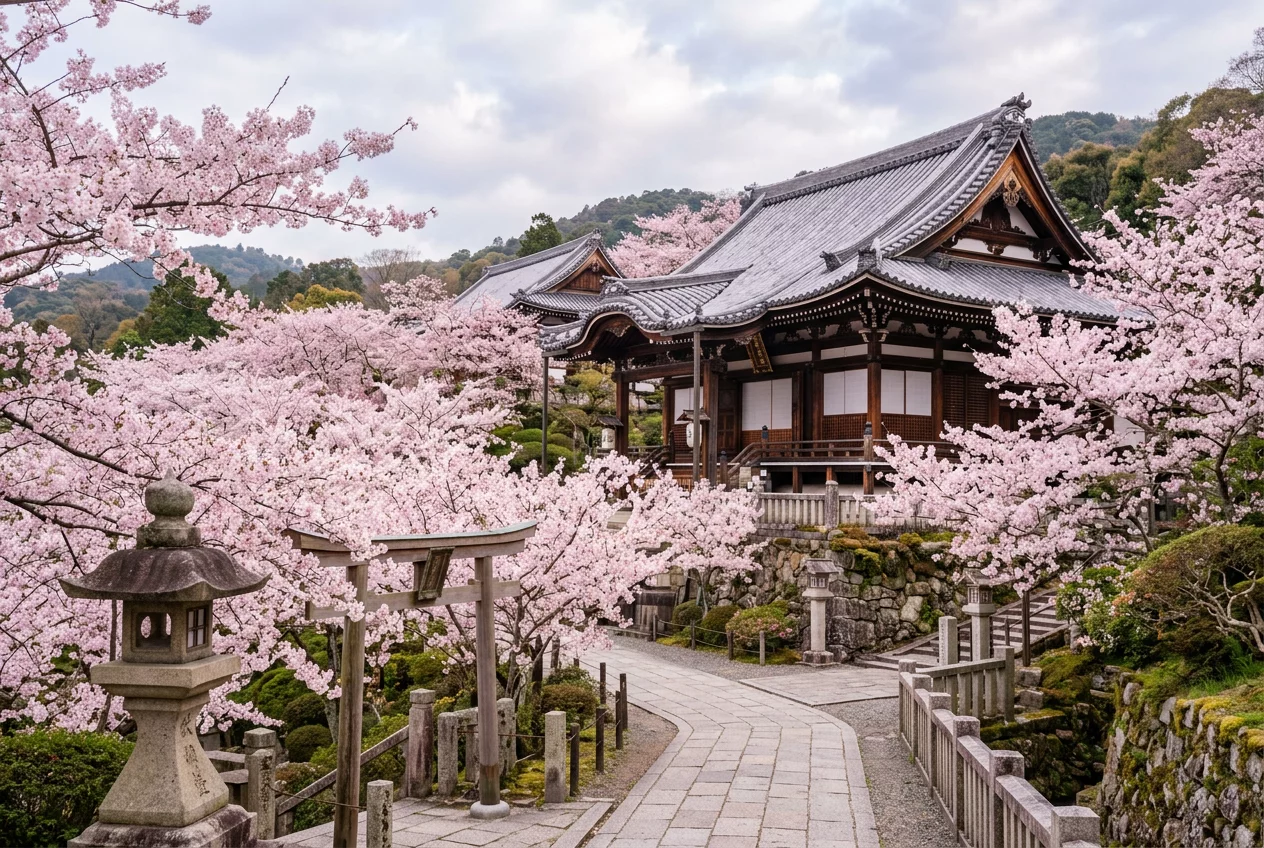
Contrast is Tokyo's defining characteristic. After the roar of the city, the silence of Senso-ji Temple in Asakusa feels sacred. As the city's oldest temple, it serves as a spiritual anchor for millions. The approach through the Nakamise-dori market is a vibrant introduction to Japanese snacks and crafts, but once you pass the massive red lanterns of the Kaminarimon Gate, the atmosphere shifts to one of incense and prayer. It is here that you can truly appreciate the deep roots of Japanese culture that persist despite the rapid urbanization.
Further west, the Meiji Jingu shrine offers an entirely different experience. Dedicated to Emperor Meiji and Empress Shoken, the shrine is located within a 170-acre forest. The moment you step through the towering wooden torii gates, the temperature drops and the city noise vanishes. It is a forest made of 100,000 trees donated from all over Japan, creating a man-made wilderness that feels ancient and eternal.
A Culinary Odyssey: Beyond Sushi
While sushi is the crown jewel of Japanese cuisine, a Tokyo exploration uncovers a much broader palate. The city boasts more Michelin stars than any other metropolis, but the real magic often happens in the specialized stalls. Tsukiji Outer Market remains a vibrant hub for the freshest seafood, where you can sample sea urchin and grilled scallops directly from the vendors. For a more intimate experience, the 'yokocho' (memory lanes) of Shinjuku or Ebisu provide a smoky, atmospheric setting for yakitori and local sake.
- Kaiseki Dining: A multi-course traditional meal that focuses on seasonality and presentation.
- Ramen Culture: From rich tonkotsu to delicate shio, each neighborhood has its own signature broth.
- Modern Fusion: Tokyo chefs are world leaders in blending French techniques with Japanese ingredients.
Every meal in Tokyo is prepared with a level of precision and care that borders on the obsessive. This dedication to craft, known as 'shokunin', ensures that even the simplest bento box from a train station is a delight to the senses. It is this unwavering commitment to quality that makes the Japanese capital a destination unlike any other.

Community Thoughts
Jessica Alba
Verified Traveler • 10/06/2026Tokyo was an unforgettable adventure. The mix of modern life and deep history is something everyone should see at least once.
Michael Brown
Verified Traveler • 15/07/2026Very well organized trip, zero stress. Every detail from the hotel bookings to the local guides was perfect.
Leave a Response